
Amid the surging rise of China’s domestic manufacturing sector, home-built motor spindles have long shed the label of “low-cost substitutes”. Boasting precision matching imported counterparts, designs better tailored to domestic operating conditions, and hassle-free after-sales service, they have become the top choice for a growing number of manufacturing enterprises. Nevertheless, 70% of prospective customers struggle with confusing technical parameters, doubts over product quality, and fears of making wrong purchases. As an original manufacturer specializing in the R&D and production of domestic motor spindles, this article breaks down spindle selection logic in plain language to help you steer clear of common pitfalls.
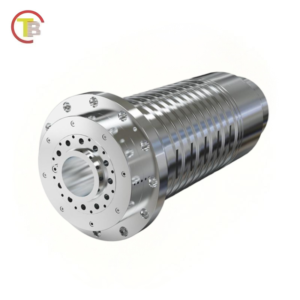
Three Core Dimensions: A Step-by-Step Guide to Selecting the Right Domestic Motor Spindle
1. Define Your Machining Scenario First
The machining application lays the foundation for spindle selection, with distinct spindle models catering to different scenarios:
Metal machining (auto parts, precision molds, etc.): Prioritize high-rigidity spindles with medium-to-high rotational speeds (8,000–18,000 rpm). Ceramic bearings deliver superior wear and heat resistance for heavy cutting operations.
Micro-precision machining (electronic components, medical devices): Focus on ultra-high precision (radial runout ≤ 0.001 mm) and low noise, with rotational speeds adjustable between 12,000–24,000 rpm based on processing requirements.
Wood/stone engraving: Opt for lightweight high-speed spindles (24,000–36,000 rpm) equipped with dustproof structures to extend service life.
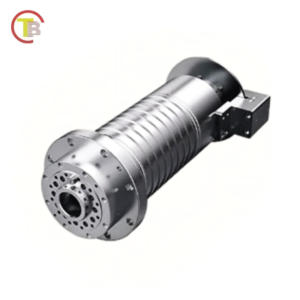
2. Core Parameters: Three Critical Metrics That Determine Operational Performance
Once your application is confirmed, verify these three core parameters to avoid compatibility issues:
Rotational Speed: Match speed to workpiece material and cutting tools. Machining aluminum alloys requires speeds above 15,000 rpm, while steel processing works well at 8,000–12,000 rpm. Distinguish between rated speed and maximum speed; operating within 80% of the rated speed during daily use significantly prolongs spindle service life.
Power Output: Harder workpieces and heavier cutting loads demand higher power ratings. Select spindles of 5.5 kW or above for heavy metal cutting; 2.2–3.7 kW models suffice for wood engraving.
Precision: Radial runout and axial endplay define precision—smaller values equal higher accuracy. Choose spindles with runout ≤ 0.001 mm for precision machining, while ≤ 0.003 mm meets general processing demands.
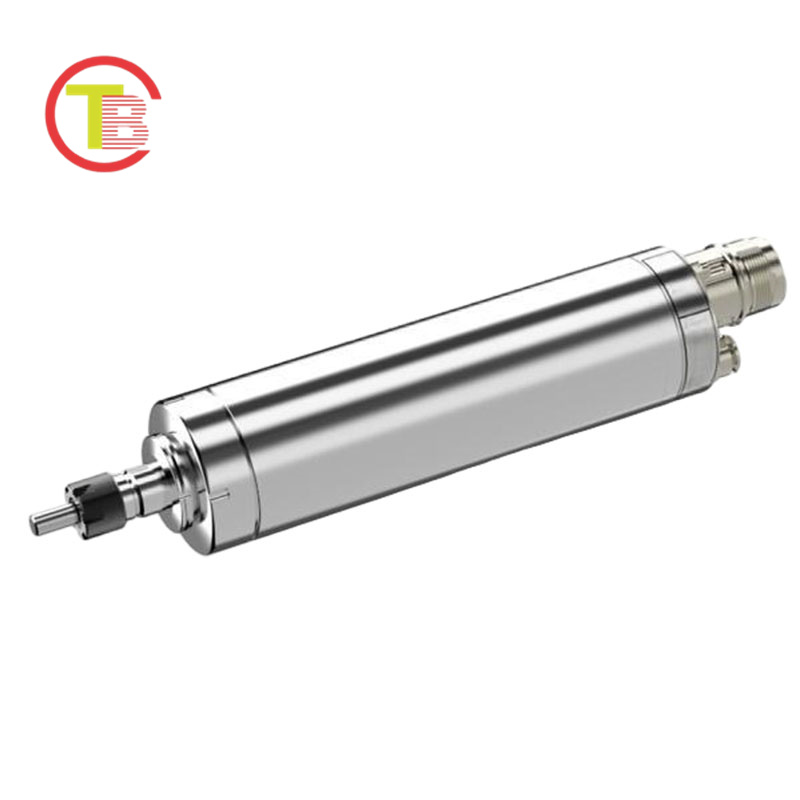
3. Bearing Type: The Right Bearing Boosts Stability by 50%
Bearings form the heart of motor spindles. Below are common domestic bearing types and their suitable applications:
Ceramic Bearings: High temperature resistance, exceptional wear resistance and high speed capacity. Ideal for precision machining and high-speed cutting; cost-effective and the mainstream option among domestic spindles.
Angular Contact Ball Bearings: Robust load-bearing capacity, suited for medium-low speed and heavy cutting applications at an affordable price point.
Reminder: Confirm bearing brand and warranty terms during procurement. High-quality domestic bearings deliver stability comparable to imported alternatives.