
From an operational perspective, the difference between high-voltage and low-voltage motors lies solely in their rated voltages. However, from a manufacturing standpoint, the disparities between them are substantial.Differences in rated voltage dictate distinct electrical clearances and creepage distances for components of high-voltage and low-voltage motors. Relevant provisions governing these parameters are specified in dedicated clauses of GB/T 14711. To comply with such standards, the designs of key components for the two motor types feature fundamental differences in multiple critical areas. A typical example is the terminal box: high-voltage motors are equipped with considerably larger terminal boxes.
There are major discrepancies in material selection as well. The magnet wires, insulating materials and lead wires used in high-voltage motors differ drastically from their counterparts for low-voltage motors. Most stators of high-voltage motors adopt flat magnet wires with heavy insulation, and each coil must be wrapped with multiple layers of mica insulation. The higher the motor’s rated voltage, the more layers of mica wrapping are required.
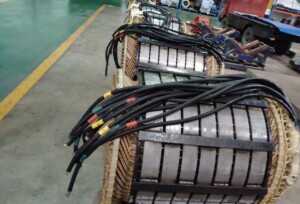
To mitigate winding damage caused by corona discharge during high-voltage motor operation, besides targeted structural design solutions, anti-corona varnish or resistance strips are applied between coils and the stator core. In terms of lead wires, high-voltage lead wires feature relatively thin conductors covered by extremely thick insulating sheaths. Additionally, insulated wind baffles are installed on stator windings to satisfy the insulation requirements between the high-voltage winding and adjacent components, while these baffles also serve to guide cooling airflow.
Another distinction lies in the insulation treatment of bearing systems. Compared with low-voltage motors, high-voltage motors generate prominent shaft currents. To eliminate damages induced by shaft currents, protective measures must be implemented on the bearing assemblies of high-voltage motors. Subject to motor size and operating conditions, two types of solutions are adopted: bypass measures using insulated carbon brushes, or circuit-breaking measures including insulated end shields, insulated bearing sleeves, insulated bearings and insulated shaft journals.
The above covers the core manufacturing distinctions between high-voltage and low-voltage motors. Accordingly, the production of high-voltage and low-voltage motors constitutes two relatively independent systems, each with separate critical control points throughout the manufacturing process.